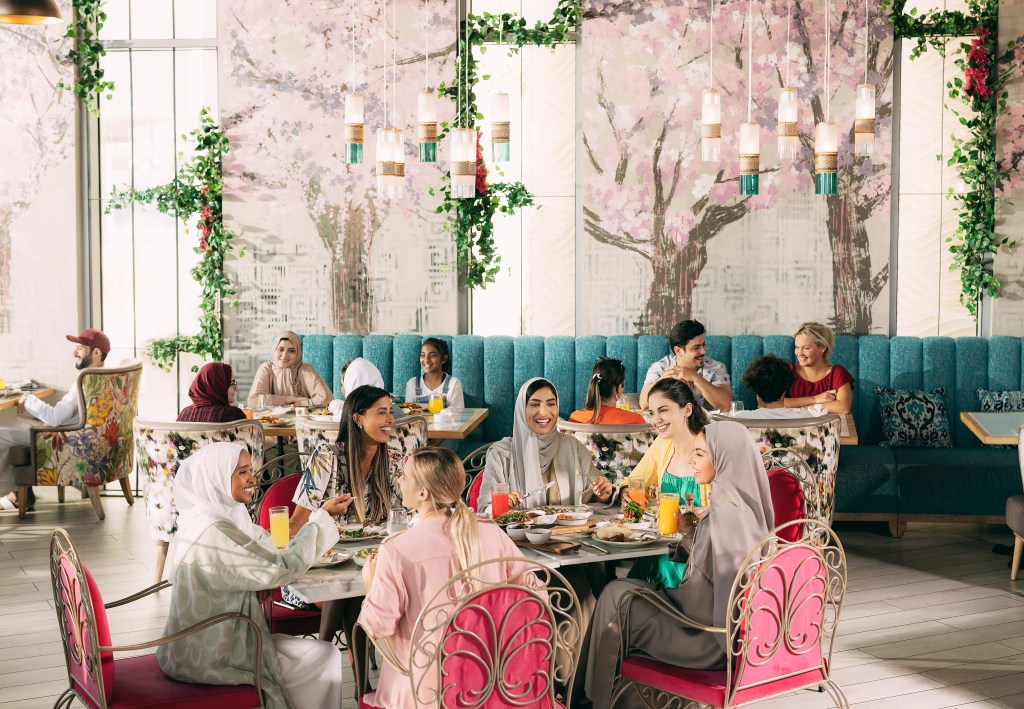
Eat. Fly. Love TLDR; Food tourism is reshaping the global travel industry and is one of the fastest growing segments. Food not only attracts tourists but is key to satisfaction as well as creating loyal returnees. Destinations such as France, Italy and Japan have been world renowned for their food.
Luxury food experiences, as well as food festivals and cooking classes seem to be key tenets of food tourism. Dubai is recognized as a regional gastronomy hotspot, whereas Abu Dhabi isn’t as mature. A focus on making Emirati restaurants and cuisine popular should be explored, as well as development of street food markets. Leveraging the palm date could also present a case for UNESCO City of Gastronomy for Abu Dhabi.
Travel vs. Food

Food tourism is reshaping the global travel industry and represents one of the fastest growing sectors of the global tourism industry. According to the Future Market Insights, the Food Tourism market is currently worth US $865.7 billion, and is expected to grow at a compound annual growth rate (CAGR) of 16.6 percent per year to surpass US $4,530.9 billion by 2032. According to the International Culinary Tourism Association, on average food travelers spend 36 percent of their travel budget on food-related activities.
Once considered a secondary activity during travel, gastronomic experiences have grown into one of the main factors motivating and attracting tourists to visit a destination domestically and internationally. It’s been shown that for almost 15 percent of tourists, ‘gastronomy’ is one of the main reasons for visiting a specific destination.

Culinary tourism is not only key to attracting tourists for the first time, but also develops and contributes to tourists’ satisfaction and loyalty to a specific destination and influences them to revisit it. Studies have shown that loyalty toward a destination develops and tourists repeat their visits after having a positive gastronomic experience. But in order to do so, it is crucial that the food tells a story and is connected to the local culture, as both domestic and international tourists pay special attention to locations rich in local foods. According to the American Express 2023 Global Travel Trends, 81 percent of respondents agree that trying local foods and cuisines is the part of traveling they look forward to most.
How tourists are engaging with culinary experiences is changing though, with travelers increasingly looking at cooking classes, preferring to cook themselves while aboard, as well as planning trips around visiting a specific restaurant. So what do these wider trends mean for the UAE, and how could Abu Dhabi seek to potentially capitalize?
Eating Across The Globe: The Allure of Culinary Tourism

Several countries around the world have become renowned for their unique culinary offerings, with millions of tourists flocking each year for a bite of their rich culinary heritage. France has one of the most revered cuisines in the world, with 630 MICHELIN-Star restaurants, 2,000 books on wine or cooking published every year, and was recognized by the United Nations Educational, Scientific and Cultural Organization (UNESCO) as meriting a place in the intangible cultural heritage of humanity. Italy is a leader in food and wine tourism globally, with a market worth over €5 billion. Boasting 385 MICHELIN-Star restaurants, Italy is Europe’s top culinary destination for The Fork’s international diners, generating the largest share of international reservations at 29 percent.
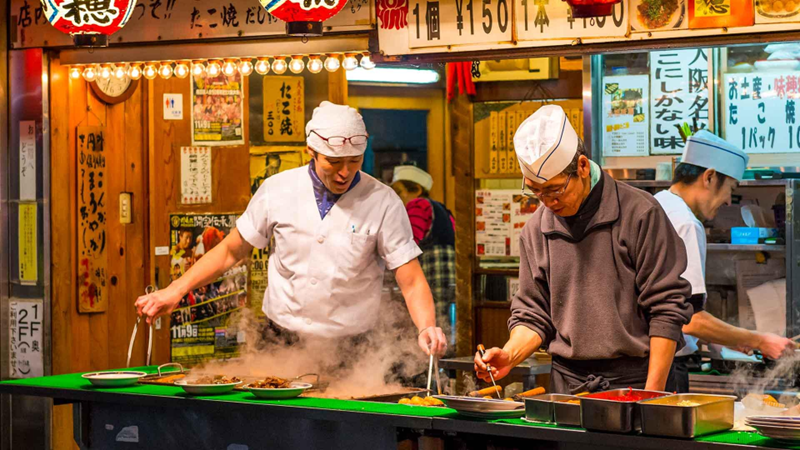
Over in Japan, food is considered one of the main reasons for both local and international visitors to the country. A Japan Tourism Agency survey in 2016 found that 71 percent of tourists were looking forward to eating Japanese meals, the number one motivation for visiting Japan. Washoku, a term for Japanese traditional food, is also a UNESCO Intangible Cultural Heritage and is famous globally for its impeccable presentation and meticulous attention to detail. The size of the Japanese restaurant industry was valued at around JPY 16.6 trillion in 2017 (approx. USD 148 billion), and there are 283 educational facilities dedicated to training chefs in Japan.
Luxury Culinary Experiences Driving Tourism
Some gastronomical experiences are so impressive that they become the stuff of legend – restaurants that fill travel itineraries and hotspots that many would specifically hop on a flight for. 37 percent of American Express 2023 Global Travel Trends respondents have planned an entire trip around visiting a specific restaurant, with that number reaching 47 percent for Gen-Z and Millennials.
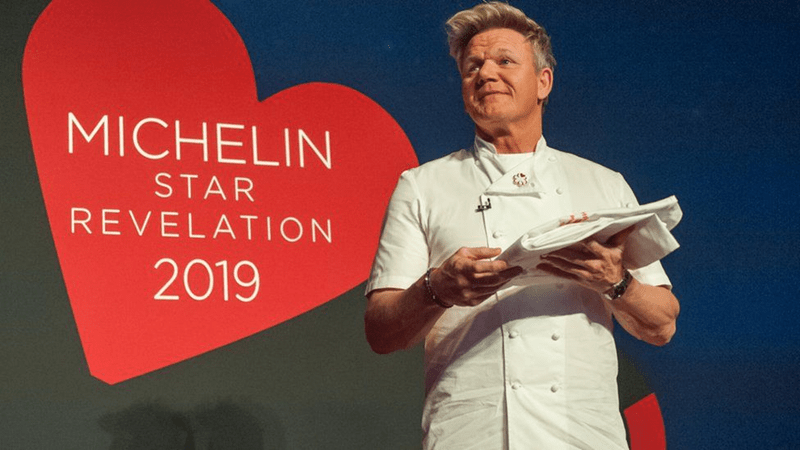
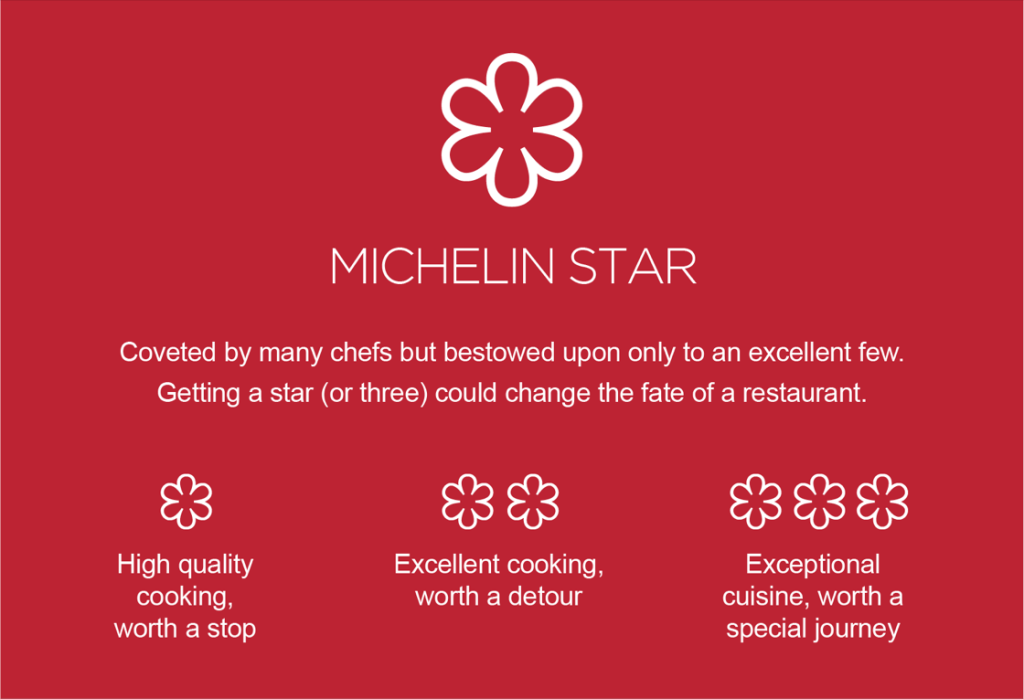
Dubbed the ‘Oscars of the restaurant industry’ by UK celebrity chef Gordon Ramsey, the Michelin Guide remains a symbol of undisputed culinary excellence. For many destinations, Michelin-starred restaurants play a key role as change-makers and advocates of tourism activities. Michelin guide restaurants have increased tourist frequentation by 25 percent according to research. For individual restaurants, a Michelin star is highly lucrative, as Joël Robuchon, the world’s most Michelin star-decorated chef, points out;
“With one Michelin star, you get about 20 percent more business. Two stars, you do about 40 percent more business, and with three stars, you’ll do about 100 percent more business. So from a business point … you can see the influence of the Michelin guide.”
Joël Robuchon
Therefore, it can be highly beneficial for tourism entities to have Michelin Guides in their city and Michelin ranked restaurants. Tel Aviv is one of the next stops for the Michelin Guide, as Israeli Tourism Minister Haim Katz announced in February 2023 that the ministry will be bringing the guide for the first time to Israel for an estimated €1.5 million. It is clear that luxury gastronomy continues to play a strong role in shaping the perceptions and attitudes of tourists toward a tourism destination.
Culinary Carnivals: Tourism & Food Festivals

Berlin’s Oktoberfest. Chicago’s Taste of Chicago. Beijing’s The Dumpling Festival. These food festivals have proven that they are big tourism draws, with tourists eager to discover the flavours and aromas of local cuisines during their stays. Food festivals can add to the range of tourism attractions offered as well as offer a whole host of sensory experiences for visitors while engaging with a destination and its residents.
According to Allied Market Research (AMR), food festivals are currently driving much of the food tourism sector’s growth due to a growing affinity of tourists for exotic cuisines and drinks, with this segment forecasted to generate revenues of US$560.3 billion in 2027 at a CAGR of 17.2 percent per year.
Cook & Travel: A Delicious Journey

Cooking classes as a form of culinary tourism have been gaining popularity globally. 46 percent of the American Express 2023 Global Travel Trends respondents would sign up for cooking classes to engage in the culture of the destination. Allied Market Research (AMR) stated that the cooking classes segment is expected to experience the fastest growth rate of all food tourism aspects, at 17.2 percent CAGR per year. Cooking classes are a big hit with tourists as they enable the co-creation of an authentic culinary experience, interacting with both the destination’s local food and culture.
Cooking classes allow the tourist to experience the feeling of cooking and eating like a local, further emphasizing the link between food and the destination. It also facilitates the visitor’s knowledge of the destination’s local ingredients, cooking methods, culinary history and local customs, along with sharpening their cooking skills.
Dubai as a culinary tourism hotspot
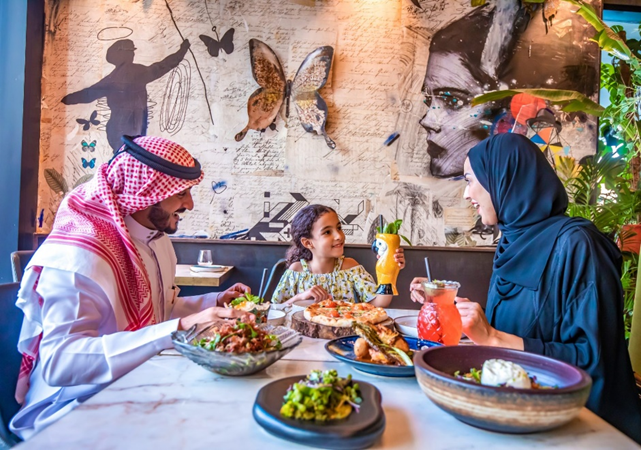
Closer to home, Dubai has carved out a reputation as the hotspot for culinary tourism in the Middle East. Dubai now boasts more than 13,000 food and beverage outlets, the most of any city in the MENA region and more per capita than New York City. This culinary reputation has been driven by the Emirate’s luxury hotels, which signed deals with the most famous Western and Asian chefs e.g. Gordon Ramsay, Heston Blumenthal, Alain Ducasse, Daniel Boulud, Heinz Beck, Bjorn Frantzen, Nobu Matsuhisa etc. Building upon the importation of prestigious international brands is the surge of critically acclaimed homegrown establishments, such as 3 Fils and Tresind Studio. To reinforce its status as a global food hub, Dubai Economy & Tourism (DET) has supported the Dubai F&B industry through the development of year-round calendar of culinary events and programmes such as Dubai Food Festival and Dubai Eats, dubbed the ‘Gastronomy Always On’ [GAON] strategy.

Dubai’s gastronomic exploits have not gone unnoticed, with it being ranked fourth for best destination for food lovers in TripAdvisor’s 2022 Travelers’ Choice Awards. Dubai was also the first city in the region to feature its own Michelin Guide, which ranked 90 restaurants, with 14 of those receiving the coveted Michelin stars. Dubai also hosts 16 of the Middle East & North Africa’s 50 Best Restaurant Awards, representing 6 of the top 10. In the DET annual Dubai International Visitors Survey (DIVS), for the 32,000 visitors surveyed, their overall satisfaction with the quality of food and restaurants had a net satisfaction score (NSS) of 72.2 percent.
Developing Abu Dhabi’s Culinary Status
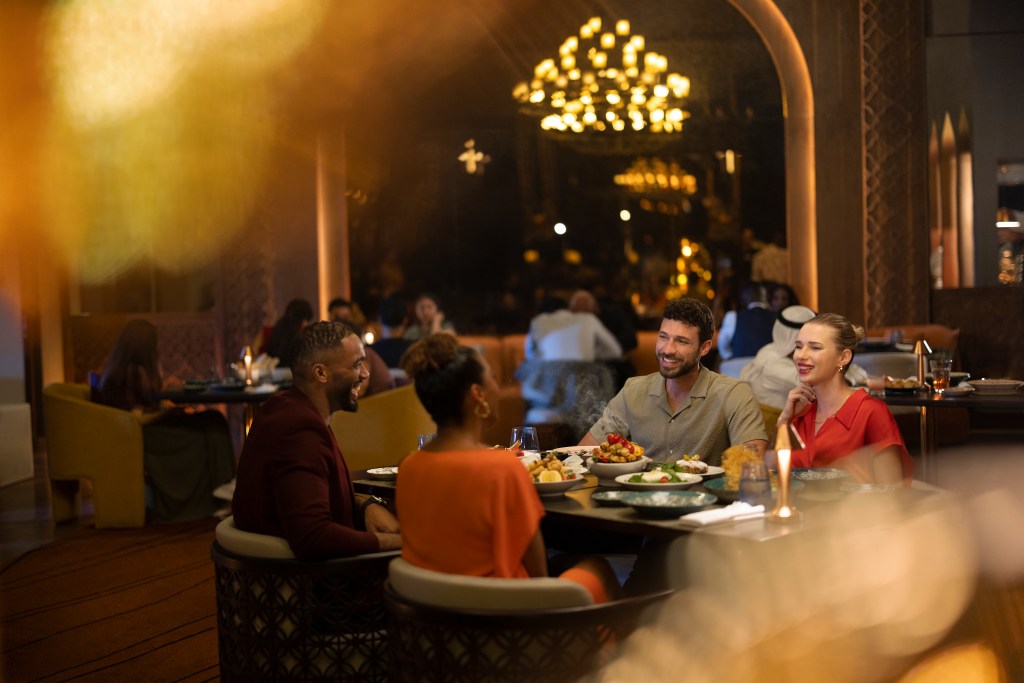
In terms of culinary yourism, Abu Dhabi is not yet as mature as its fellow emirate Dubai. According to JLL, Dubai is home to 80 percent of the 340 fine dining restaurants operating in the UAE’s two largest cities (i.e., Dubai and Abu Dhabi). In 2022, 3 of Abu Dhabi’s restaurants made the Middle East & North Africa’s 50 Best Restaurant Awards, and while 42 restaurants were ranked in the Michelin Guide, just 3 received the illustrious Michelin star. Abu Dhabi also hosts some culinary events, including the Abu Dhabi Culinary Season, an annual six-week food festival, as well as the Liwa Date Festival, which celebrates the traditional fruit which has been cultivated in the region for 5,000 years. Ramadan is also a key moment for Abu Dhabi culinary events, with the Emirate hosting several Iftar events during the Holy Month.
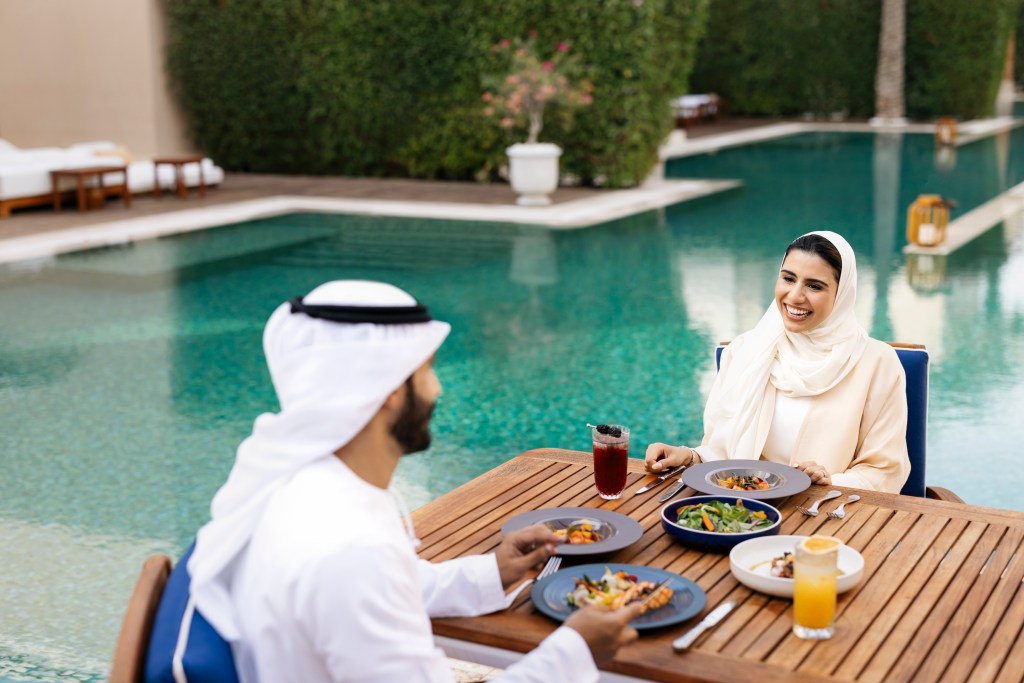
There are efforts to reposition gastronomy within the Emirate, with the Abu Dhabi Department of Culture and Tourism recently announcing a US $100 million Abu Dhabi Culinary Investment Fund to co-invest with local asset partners and incentivize top chefs, restaurants and culinary educational institutions to enter the Abu Dhabi market. But are there other trends which Abu Dhabi can potentially look to capitalize on to attract foodie travelers?
Making Emirati Hospitality Mainstream

One way could be to focus on the local Emirati food since, as per American Express 2023 Global Travel Trends respondents, 72 percent of them are looking to travel internationally to experience cuisines from other cultures, with 86 percent of Gen-Z and Millenials open to venturing out of their comfort zone and trying new things. We know travelers crave ‘authentic experiences’, and in terms of local Emirati food, this could be a concentrated effort to highlight Emirati fine dining institutions such as Mezlai on a global level, making it the place travelers look to book their vacation around.

In addition to this, a revamped focus on street food culture, which has become a new driver of tourism for destinations such as Bangkok or Singapore, where even street vendors get Michelin stars. While the pop-up Miami Vibes street food festival may be a hit, perhaps a more permanent street food district or food market centered around local food, as well as the food that forms the makeup of Abu Dhabi could help differentiate from Dubai and give Abu Dhabi a distinct culinary personality. Having such a district could also unlock the tourism potential of food walking tours, which allow tourists the opportunity to see and eat across the city and discover local gems and best-kept secrets.
Ulta-Luxe All Inclusive Resorts
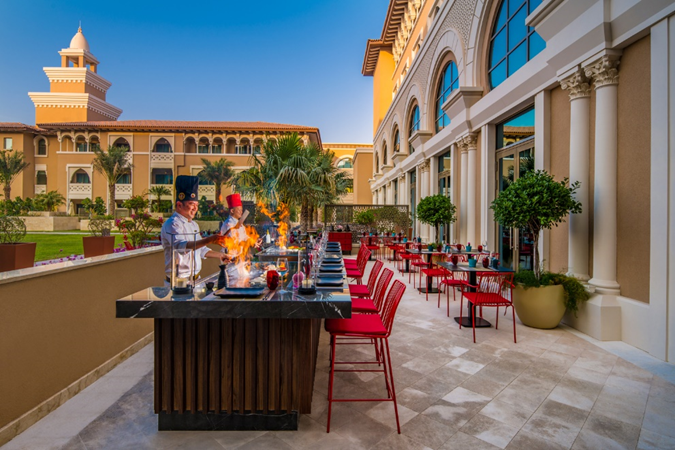
Another travel and food-related trend Abu Dhabi could take note of is the growing popularity of all-inclusive resorts. Having been previously written off as boring, unnecessary, and touristy, there has been renewed interest in them as of late. Some put this down to the impact of HBO award-winning TV series ‘The White Lotus’ (You can see our analysis of the ‘Set-Jetting trend which we previously covered).
In 2022, almost 111 million all-inclusive nights were sold globally, according to STR. Global chairman of Horwath HTL, John Fareed feels that a resort’s high quality food and wine offerings play a key part in this, such as celebrity or Michelin-starred chefs. Some Abu Dhabi hotels have started to incorporate this trend, with Rixos Premium Saadiyat Island introducing its five-star, all-inclusive experience.
Abu Dhabi Gastronomy Credentials
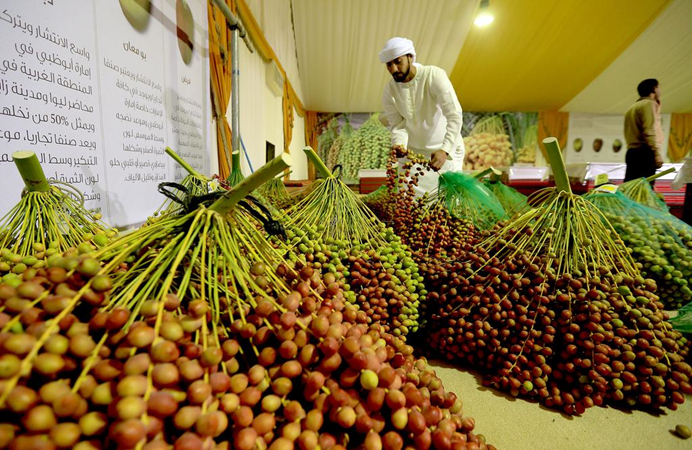
One thing potentially worth consideration is leveraging Abu Dhabi’s assets to gain international recognition for gastronomy, which can then be used to draw in travel foodies. The date palm was recognized by UNESCO for the pivotal role it plays in the cultures of the Middle East in 2019, when it was inscribed on UNESCO’s Representative List of the Intangible Cultural Heritage of Humanity. With the Abu Dhabi emirate being the host of the Liwa Dates Festival and Auction, the country’s largest annual farmer’s market, perhaps it has a case to present for the UNESCO Creative Cities of Gastronomy.
Food has a unique ability to bring cultures together and stir the interest of travelers worldwide. With its diverse, cosmopolitan citizenry and robust culinary heritage, Abu Dhabi is ideally poised to harness this power and establish itself as a gastronomic paradise. By curating food experiences, such as local cooking classes and food festivals, the city can unlock its culinary potential. This not only allows visitors to discover Emirati cuisine’s depth and versatility but also stimulates local economies and boosts the city’s global gastronomic reputation. Abu Dhabi has every ingredient necessary to become a world-renowned city of gastronomy, turning food into a captivating catalyst for tourism.
 The Travel Consigliere
One response to “Eat, Fly, Love: The Gastronomic Experience Is The New King of Tourism”
A lot of Thanks for sharing the Travel Article’s Content Valuable
LikeLike