Music Video Tourism TLDR;
Like Movies & TV shows, music videos have demonstrated their ability as a marketing tool to impact inbound tourism to a destination. Tourism boards have seen this and have commissioned music videos or supported their filming in order to have their destination feature heavily and market their destination. In the UAE, Dubai has been featured prominently in a lot of artist music videos, whereas Abu Dhabi this hasn’t historically been the case.
Music videos are significantly cheaper and quicker to make than movies, as well as revisited frequently by the younger generations. Abu Dhabi Film Commission has added music videos to their 30 percent cash rebate scheme, and perhaps Abu Dhabi Department of Culture and Tourism could financially assist with the development of music videos filmed in Abu Dhabi to showcase the destination.
Following the growth of the tourism trend ‘Set-Jetting’ which The Travel Consigliere covered in detail here, we also wanted to explore whether music videos could potentially have similar impact as movies and TV shows. Music videos and tourism intersect in the sense that music videos can be used as a tool to showcase a destination’s key offerings and be an effective marketing tool to attract tourists to the region.
Music videos fueling Tourism
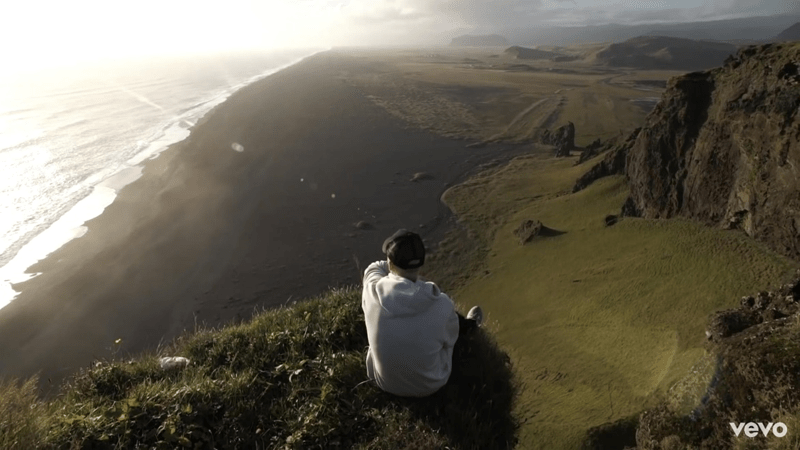
When a major artist, hit record, plus iconic locations and landmarks combine, it can create a visual allure that creates a desire for fans to follow in the footsteps of their idols. Take the Beliebers, who caused the Icelandic authorities to have to close the idyllic Fjaðrárgljúfur canyon twice after the Justin Bieber featured it in the ‘I’ll Show You’ music video. The Environment Agency of Iceland stated reported a great increase in foot traffic for the previously unknown canyon of 50 percent to 80 percent between 2016-2018.
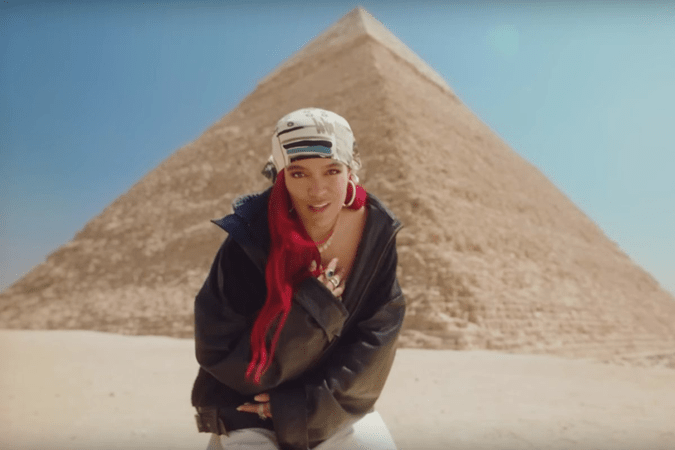
Another famous example of music videos boosting tourism is the hit song ‘Despacito’ from Luis Fonsi and Daddy Yankee which with 8.1 billion views is the 2nd most viewed video on YouTube (only bested by Baby Shark – but more on them later). Besides dominating the airwaves global in 2017, this music video was also responsible for boosting tourism interest by 45 percent in Puerto Rico where the vibrant video was filmed. Colombian reggaeton superstar Karol G recently filmed the music video for song ‘Cairo’ at the most iconic touristic and archaeological sites in Egypt, such as the Great Pyramids of Giza and the Sphinx. The Egyptian Ministry of Tourism and Antiquities believe that the music video could be impactful in attracting fans to Egypt.

Chinese fans get the music video travel bug also. When Chinese singer Jay Chou shot the video for ‘Mojito’ in Havana, Cuba, searches for Cuba on travel services and social networking platform Mafengwo increased 1,113 percent, with the Cuban Ambassador to China Carlos Miguel Pereira noting the influence of the song on tourism. There’s also major benefits from having a homegrown star film their video your city. Drake made an ode to his hometown of Toronto in the music video for ‘What’s Next’ showcasing all the iconic Toronto landmarks. The superstar’s impact is so great that it has been estimated that Drake contributes 5 percent of Toronto’s $8.8 billion total annual tourism income.
Tourism Records: The new major label?

Seeing the impact that the right artist filming their visuals can have, tourism boards around the globe have started to get in on the action. The Singapore Tourism Board (STB) has collaborated with The Pinkfong Company, behind the infectious and inescapable children song ‘Baby Shark’ to release ‘Sing, Sing, Singapore!’ music video featuring Baby Shark, extraterrestrial fox Pinkfong and Singapore’s mythical national icon Merli. As well as including the famous Merlion, the animated video also features Singaporean landmarks and icons including Marina Bay Sands, Gardens by the Bay and Night Safari to attract families with young children and promote its cultural offerings to a young audience.

Over in the Gulf region, Dubai Tourism released ‘Ya Salam Ya Dubai’ which merges Rashed Al Majed’s ‘Dubai Kawkab Aakhar’ and ‘Dubai Danat Al Donia’ to create a musical tribute to celebrate Dubai being one of the best cities in the world, featuring iconic Dubai landmarks throughout the video. They also released an English version of the song to appeal to music lovers of all demographics.
(feat. UAE): UAE in Music Videos
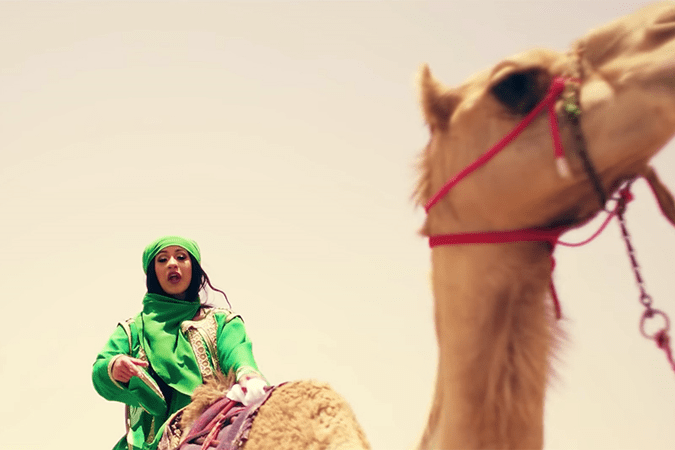
Increasingly artists are making Dubai the location of choice for shooting their music videos and the iconic landmarks of Dubai have been the backdrop of a number of hit records. Abu Dhabi? Eh, not so much. US rap star Cardi B shot the video to hit single ‘Bodak Yellow’ in Dubai in 2017 (for only $15,000 imagine), showcasing the Emirate with now over 1 billion YouTube views. K-Pop supergroup SuperM also had several scenes of their video for ‘Jopping’ starring Dubai’s deserts and highways. Persian singer Arash in 2020 created the anthem for every tourist’s Dubai Instagram story with ‘One Night In Dubai’ and the accompanying music video showcased the lavish Burj Al Arab as well as some spectacular views of the city. Mohamed Ramadan & Gims further highlighted the glitz and glamour of the city in the ‘Ya Habibi’ video, shot on yachts and supercars outside the Palazzo Versace hotel.
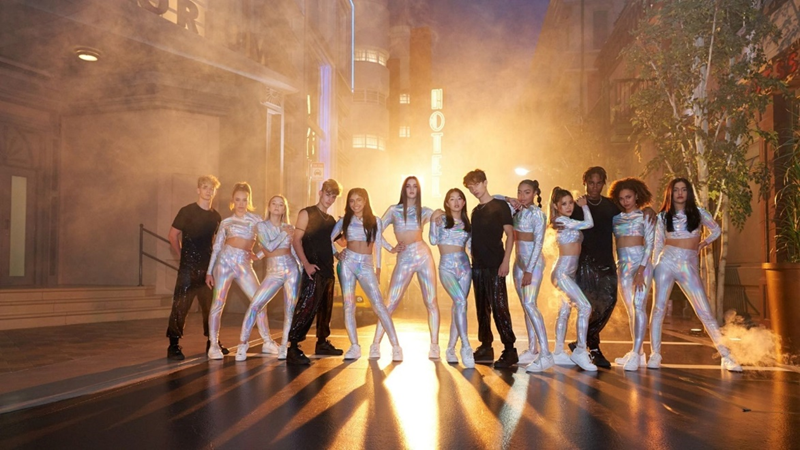
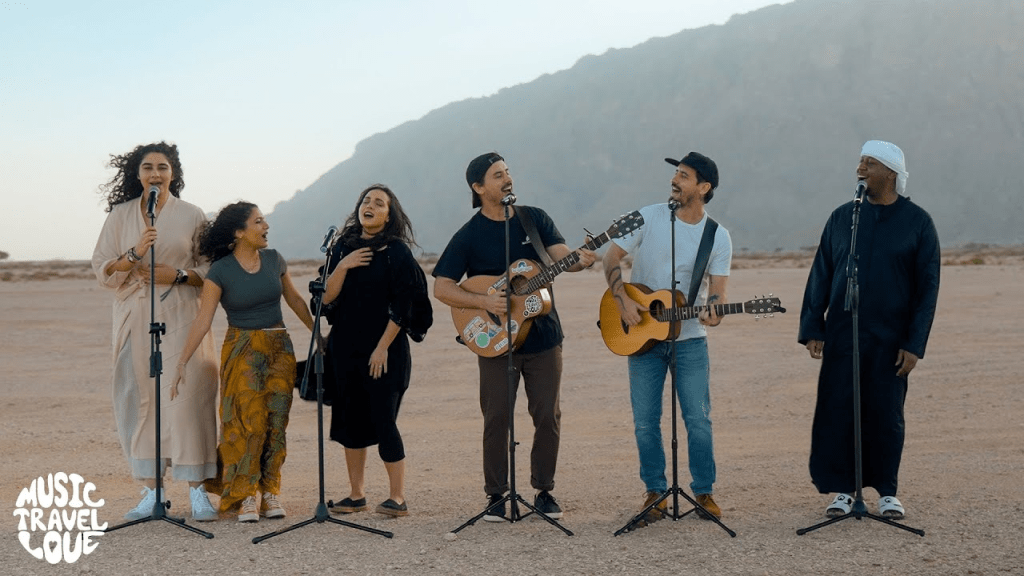
The city is favoured by artists and directors due to its feel as a futuristic city as well as deserts which can also create a ‘Mad Max’ post-apocalyptic style. Abu Dhabi on the other hand has been pretty neglected in the music video space, with the only notable example of a major artist shooting a music video being international pop group Now United’s ‘Future Me’ filmed at Warner Bros. World Abu Dhabi. More recently, Music Travel Love released a music video of their cover of the Ben E. King classic ‘Stand By Me’, which showcased idyllic views of Jebel Hafit Mountain in Al Ain, supported by Experience Abu Dhabi. This clearly indicates there’s a lot of potential for Abu Dhabi to leverage music videos to put the city and its unique attractions front of mind to a global audience of potential visitors.
Music Videos vs. Movies
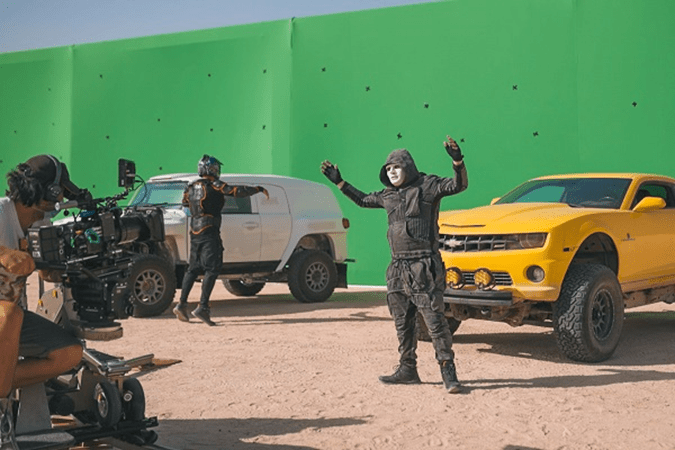
The cost to make a professional music video can range from $20,000 to $500,000, and it is estimated that the average studio-level music videos costs approximately $50,000 to shoot. Additionally music videos usually requires only one or two days production to film the required footage. That is compared to the cost to make a feature length movie, which ranges between $50 million and $100 million and the average cost to produce a major studio movie around $65 million. Research has shown that it takes on average approximately 106 days for principle production of a Hollywood motion picture. This makes music videos much more cost effective and able to promote in quick and dynamic way in comparison to feature length films.
Another advantage music videos has over films is that they are more likely to appeal to a younger demographic of travelers who are avid consumers of music and media. According to data from Vevo’s proprietary Media Tracker, 85 percent of U.S. Gen-Z respondents said they watch music videos a minimum of once a month, while 36 percent of respondents watch music videos daily. Music videos are also more likely to be returned to as an audiovisual method to listen to the song which allows for increased opportunity to make Abu Dhabi as a front-of-mind destination. Additionally, music videos are able to be easily shared on social media in comparison to films, which allows for much greater distribution and can have a longer life-span.
Incentives to shoot music videos in Abu Dhabi
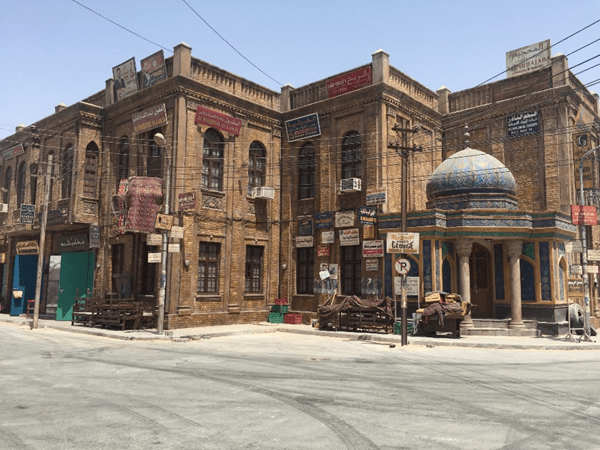
Abu Dhabi has recently expanded it list of eligible production formats for cash rebate incentives to include music videos, where they can receive a 30 percent cashback rebate on Abu Dhabi qualifying expenditure. Meanwhile, Dubai doesn’t provide an official incentive scheme, instead choosing to offer film producers discretionary support on Emirates flights and hotels. Abu Dhabi can look to leverage this, plus highlight it’s not only Dubai with the variety of iconic locations (we even provide a nifty location guide), world class infrastructure and great talent pool with twofour54. There may be a case for Abu Dhabi Film Commission addressing the minimum and maximum rebate values for music videos in order to increase the attractiveness of the destination.
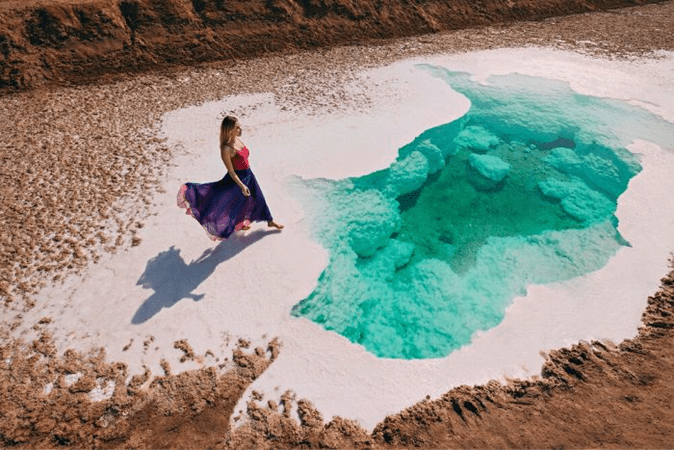
In addition to cash rebates, Abu Dhabi Department of Culture and Tourism could potentially look to financially support music videos filmed in Abu Dhabi from major artists, especially if they are aligned with the objectives of the department e.g. target audience and top inbound source markets. The Abu Dhabi creative ecosystem could also seek to increase the number of stock footage of Abu Dhabi which will help potential music video directors source footage that would be impractical or too expensive to shoot themselves. Popular stock image platform Shutterstock shows over 72,000 royalty-free stock footage for Dubai, compared to just 14,000 for Abu Dhabi.
The importance of the music video has diminished from it’s heyday of the MTV years, where artists, music labels and marketing agencies invested heavily in music videos. The advent of streaming services and social media platforms such as TikTok now allows for artists to create cheaper, more accessible audiovisual content which means there is less focus on music video today. However, even as TikTok content reigns supreme, artists continue to treat the music video as a canvas for stylized, imaginative storytelling. It is this imaginative storytelling where Abu Dhabi can combine the emotional appeal of music with the visual magnetism of travel, creating a compelling draw for viewers to want to experience the magic themselves.
 The Travel Consigliere